
Il blog del vino
-

How Much Can You Earn from Fine Wine? An Interactive Return Calculator
Test your own scenario: enter an amount, a holding period and assumed price change to see net returns after storage and selling costs, and the break-even price move.
-
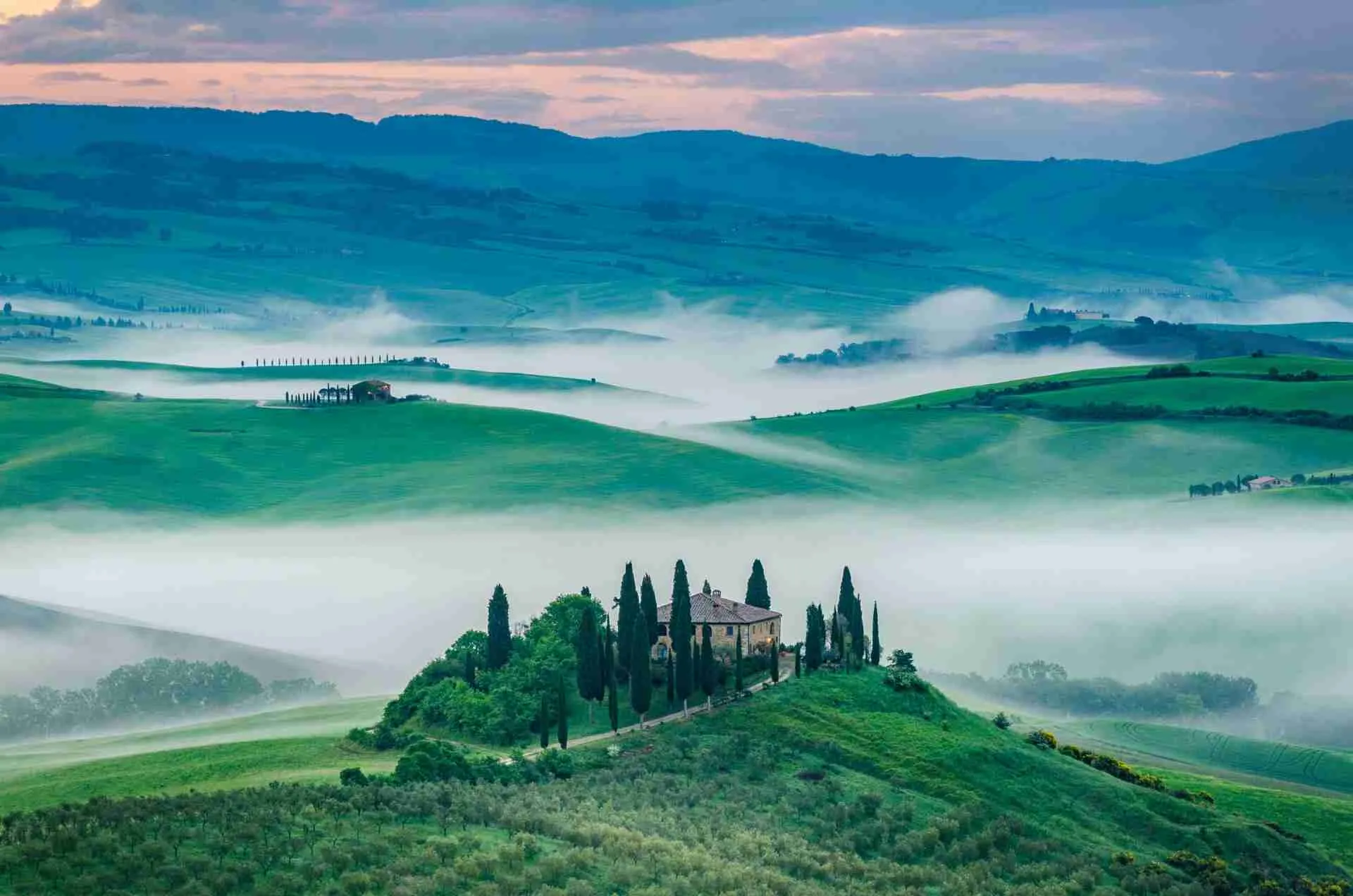
Fine Wine Market 2026: Signs of Recovery, With Italy and Champagne Leading
After a two-year decline the fine wine market is stabilising. See Liv-ex 2026 data by region, why Italy and Champagne lead, and what to watch next.
-
Why Invest in Fine Wine? Benefits, Risks and What the Numbers Say
Why collectors buy fine wine, what the Liv-ex data shows over five years by region, and why Italy and Champagne have held value better than Bordeaux.
-
What Does Vintage Mean on a Wine Label? Rules for Wine and Champagne
The vintage is the harvest year. In the EU at least 85% of the grapes must come from that year. Plus the ageing rules for vintage and non-vintage…
-
Burgundy Wine Classification: Village, Premier Cru and Grand Cru Explained
Burgundy has four quality levels: regional, village, premier cru and grand cru. Learn how to read a Burgundy label and what the 33 grand cru appellations mean.
-

Is Fine Wine a Good Investment? What Collectors Should Know
Fine wine can be held as an alternative asset, but prices move and returns are not guaranteed. A balanced look at Liv-ex data, risks and what to check…
-
Barolo Explained: Rules, Ageing and Why It Is Called the King of Wines
Barolo is a 100% Nebbiolo wine with at least 38 months of ageing (62 for Riserva). Learn the DOCG rules, the production zone and when Barolo is released.
-
What Are Super Tuscans? Origins of Tignanello, Sassicaia and Bolgheri
Super Tuscans are Tuscan wines made outside traditional rules. Discover how Tignanello and Sassicaia started the category and why it has no official definition.
-

What Is a First Growth Bordeaux? The 1855 Classification Explained
The 1855 Bordeaux Classification ranked 62 châteaux in five tiers. Learn which five châteaux are First Growths and what changed in 1973.
-
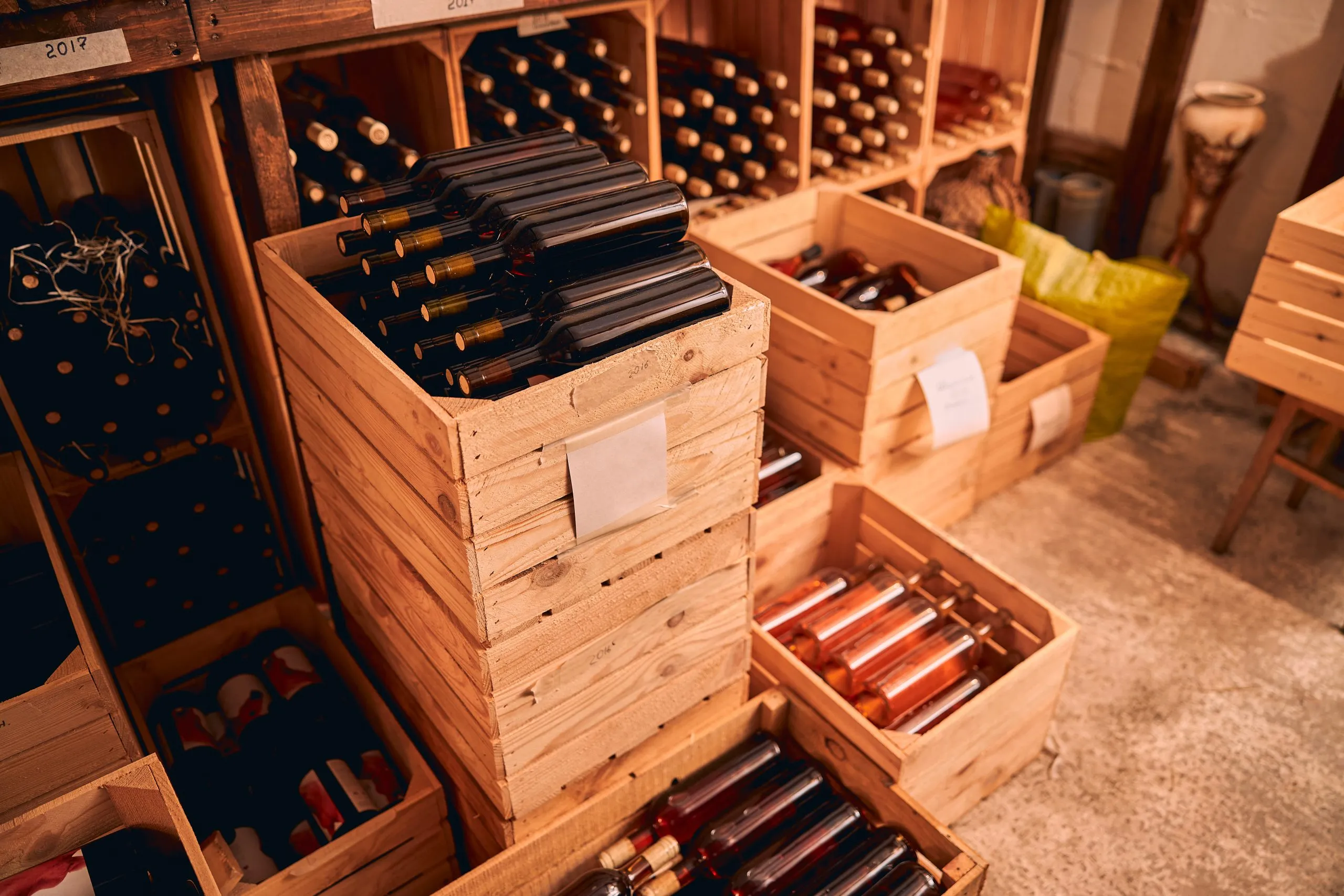
How to Store Wine at Home: Ideal Temperature, Humidity and Position
The ideal conditions for storing wine at home: a steady 10–14 °C, 60–70% humidity, darkness, no vibration, and cork-sealed bottles lying on their side.