

Quick answer The vintage is the year the grapes were harvested. Under EU rules a vintage year can appear on the label only if at least 85% of the grapes were harvested that year.
The vintage tells you when the grapes were picked, and in many regions the weather of that year shapes the character of the wine. Understanding the rules behind it helps you read labels and compare bottles.
Key takeaways
- The vintage year is the harvest year.
- EU rules require at least 85% of the grapes to be harvested in the stated year.
- Vintage Champagne must age at least 36 months, non-vintage at least 15.
What does vintage mean on a wine label?
The vintage is the year in which the grapes were harvested. It appears on the label to tell you which harvest the wine comes from.
What is the 85% rule?
Article 49 of Commission Delegated Regulation (EU) 2019/33 says the vintage year may appear on the label of the listed grapevine products provided at least 85% of the grapes used were harvested in that year. The allowance does not cover quantities used for sweetening, expedition liqueur or tirage liqueur. For products traditionally made from grapes harvested in January or February, the label year is the previous calendar year.
What is the difference between vintage and non-vintage Champagne?
The Champagne appellation factsheet published by the Comité Champagne sets a minimum cellar ageing of 15 months for non-vintage and 36 months for vintage Champagne. Browse sparkling wines in our selection.
What does non-vintage mean?
A non-vintage wine carries no harvest year on the label. In our shop you can compare recent, historic and non-vintage bottles.
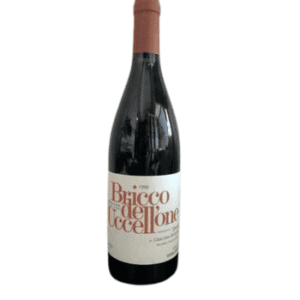
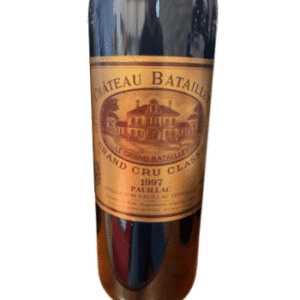
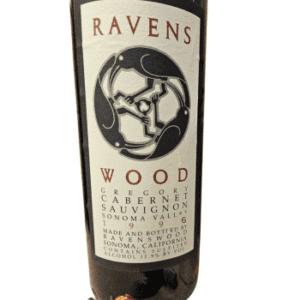
Historic vintages available now
Frequently asked questions
What is a vintage wine?
A wine whose label shows the year the grapes were harvested.
How much of a wine must come from the vintage year?
Under EU rules, at least 85% of the grapes must be harvested in the year shown on the label.
How long must vintage Champagne be aged?
At least 36 months of cellar ageing, according to the Comité Champagne factsheet.
How long must non-vintage Champagne be aged?
At least 15 months of cellar ageing.
What does non-vintage (NV) mean?
The label does not show a single harvest year.
Sources
- Commission Delegated Regulation (EU) 2019/33, Article 49 — Vintage year — Text of Article 49 as published on legislation.gov.uk (UK retained version); the EU original is on EUR-Lex.
- Comité Champagne — Factsheet: The Champagne Appellation (AOC) — Minimum cellar ageing for non-vintage and vintage Champagne.
Last reviewed: October 2026.
Explore our wine selection
Rare and collectible bottles, filterable by country, region, producer and vintage.